
Buying a Condo in St. Petersburg, Florida? What You Need to Know Before Making an Offer

Condos. Where do I start?
Condominium living has some real advantages. One of the biggest is convenience. If you don't want to mow a yard, deal with landscaping or worry about exterior maintenance, a condo can offer a relatively low-maintenance lifestyle.
They're also particularly convenient for people who travel extensively or live in Florida only part of the year. Lock the door and leave.
But there are trade-offs for that convenience.
You may have neighbors above or below you. Rules can change. Monthly fees can increase. Special assessments can be substantial. And unlike owning a single-family home, many of the biggest financial decisions affecting your property aren't yours alone to make.
A condo purchase involves two decisions: whether the unit is right for you and whether the association is financially and operationally sound. You need to be comfortable with both.
That requires a different kind of due diligence.
Florida Condo Laws Have Changed
Florida's condominium market has undergone significant changes in the years since the 2021 collapse of Champlain Towers South in Surfside.
Among the most consequential changes were expanded requirements involving Milestone Inspections and Structural Integrity Reserve Studies, commonly called SIRS.
Generally, Florida residential condominium buildings that are three stories or more in height, as determined under the Florida Building Code, must undergo a Milestone Inspection by the end of the year in which the building reaches 30 years of age, and every 10 years thereafter. Certain exceptions and transitional provisions apply.
A Milestone Inspection evaluates the structural condition of the building. A Phase One inspection determines whether there are signs of substantial structural deterioration. If substantial structural deterioration is identified or cannot be ruled out, a more extensive Phase Two inspection is required to evaluate the condition and identify necessary repairs.
SIRS addresses a different but related question: Does the association have an appropriate plan to fund major building components as they age?
The study examines specified components related to structural integrity and safety, estimates their remaining useful life and anticipated repair or replacement costs, and recommends a reserve-funding schedule.
These requirements have had a significant impact on Florida's condo market.
Associations that had maintained their buildings and adequately funded reserves were generally in a much different position than associations facing years of deferred maintenance or inadequate reserves. In some communities, compliance has contributed to higher monthly fees, special assessments, or both.
That is one reason condo fees can vary dramatically from one property to another.
Don't Just Ask Whether the Inspection Was Done
If a building was required to complete a Milestone Inspection or SIRS, confirming that the reports exist is only the beginning.
Read them.
If a Milestone Inspection required a Phase Two inspection, what repairs were identified? Have they been completed? If not, are they scheduled? More importantly, how are they going to be paid for?
Then compare the SIRS recommendations with the association's actual budget and reserves.
A report identifying millions of dollars of future work doesn't tell you much by itself. You need to understand whether the association has been preparing financially for that work.
And remember that an inspection report is a snapshot of conditions at the time of the inspection. It is not a guarantee against future problems.
A Two-Story Building Doesn't Necessarily Mean You're in the Clear
I encountered this firsthand in a local condominium community containing numerous two-story buildings and one multistory building.
The entire community operated under one association and one budget.
The initial Milestone Inspection for the multistory building identified the need for additional evaluation and repairs. That mattered to buyers throughout the community because costs that weren't adequately funded could potentially affect owners in the two-story buildings as well.
In other words, simply choosing a unit in a shorter building didn't necessarily isolate that buyer from the financial obligations associated with the taller building.
When you're evaluating a condominium community, you need to understand the entire association you're buying into, not just the building containing your unit.
Read the Meeting Minutes. Seriously.
One of the things I routinely request for my condo buyers is 12 to 24 months of association meeting minutes.
They can be a gold mine.
In the community I just described, the meeting minutes revealed something particularly important.
The board had received an initial Milestone Inspection that called for additional investigation and repairs. The board subsequently hired another engineering firm, and the documentation routinely being provided to buyers included the later report.
I learned about the earlier report because it was mentioned in the meeting minutes.
Meeting minutes can also reveal discussions about upcoming repairs, insurance problems, litigation, possible assessments, increasing expenses and projects that haven't yet resulted in a formal assessment.
A seller may genuinely be unaware of some of these issues because not every owner attends meetings or closely follows association business.
I want to know what's being discussed before my buyer owns part of the problem.
Look Beyond the Monthly Condo Fee
One of the most common mistakes buyers make is comparing condos solely by monthly association fee.
A $500 monthly fee at one community and a $700 fee at another doesn't necessarily mean the first community costs $200 less to own.
What does each fee include?
One association may include water, sewer, trash, pest control, cable and internet. Another may cover only a few of those expenses, leaving the owner responsible for the rest.
Then look at amenities. Pools, fitness centers, elevators, gates, clubhouses, docks and other common facilities all cost money to maintain, repair and eventually replace.
The question isn't simply:
"How much is the condo fee?"
It's:
"What am I receiving for that fee, and is the association collecting enough money to maintain what it owns?"
A suspiciously low fee isn't always a bargain.
Special Assessments Can Completely Change the Math
Always investigate current and potential special assessments.
If an assessment has already been approved, determine the total amount, payment schedule, remaining balance and who will be responsible for it at closing under the contract.
I've seen downtown units advertised at prices that initially looked remarkably inexpensive until you discovered an enormous assessment attached to them.
A deeply discounted purchase price doesn't automatically make something a good investment if you're taking on a substantial assessment and buying into an association with larger financial concerns.
You have to look at the total financial picture, not the MLS price.
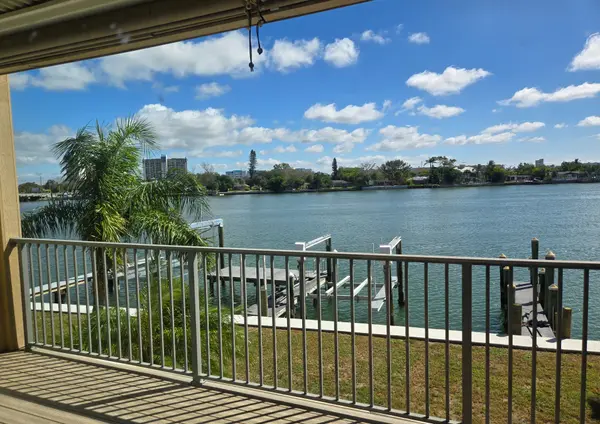
The same applies to things like carports, docks and boat slips. Determine whether they are deeded, assigned, leased or separately owned, and understand who bears the cost when those structures are damaged or need replacement.
I've seen owners with carports assessed after storm damage in consecutive years.
Those are the kinds of expenses you want to understand before you buy, not afterward.
The Rules Matter More Than You Think
Every condominium has governing documents, and those documents can regulate an extraordinary number of aspects of daily life.
Pets. Rentals. Guests. Parking. Trucks. Motorcycles. Renovations. Flooring. What can be placed on a balcony. How long someone can stay in your unit. Where you can park.
Some communities also have lawful age-related occupancy restrictions.
Read the actual current rules.
Do not rely exclusively on the MLS listing.
Pets are a perfect example. If you have a 75-pound dog and the community has a 35-pound weight restriction, that may not be the community for you, subject to applicable accommodation requirements.
And don't stop at whether your dog is allowed.
I've seen communities with designated pet-relief areas. A buyer may assume they'll walk out the back door with their dog every morning, only to discover after purchasing that pets must be taken to a designated location elsewhere in the community.
That may sound minor compared with a six-figure assessment, but you're buying a home. The rules have to work with the way you actually live.
What About Washer and Dryer Connections?
This is another important consideration, particularly in some of the older condominium communities throughout St. Petersburg and Pinellas County.
Not every condominium has an in-unit washer and dryer. Some communities provide shared laundry facilities, while others may prohibit individual owners from installing washer and dryer connections.
And just because a unit already has connections doesn't necessarily mean they were installed with the association's approval.
If having laundry inside your unit is important to you, verify that:
-
Any washer and dryer connections that already exist in the unit comply with the condominium association's governing documents, rules and applicable approval requirements; or
-
If connections do not exist, the association permits their installation and you can obtain any required approvals before proceeding.
I would also want to know whether the building's plumbing, electrical systems and ventilation can accommodate the installation, and whether permits would be required.
Don't assume you can simply add a washer and dryer after closing.
This is exactly the kind of detail that can affect your everyday enjoyment of the property.
Financing a Condo Is Different From Financing a House
With a condo, the lender isn't underwriting only you and your unit. The condominium project itself may also need to satisfy lending requirements.
That means association finances, reserves, insurance, deferred maintenance, critical repairs, litigation and other project-level issues can affect whether a lender can finance a unit.
This is particularly important right now because Fannie Mae has updated its condominium project requirements.
Effective for loan applications dated on or after August 3, 2026, Fannie Mae retired its Limited Review process. Established projects previously eligible for that review must now generally undergo Full Review unless a waiver of project review applies.
Another change is scheduled for January 4, 2027, when the minimum replacement-reserve allocation for applicable Full Reviews increases from 10% to 15% of annual budgeted assessment income.
That does not mean every condominium association must automatically raise its reserves to 15% under Florida law. The requirement applies to a particular mortgage project-review standard, and the association's actual funding obligations must be evaluated separately.
Still, buyers should understand that associations may face pressure to increase reserve contributions, which can affect monthly fees and financing eligibility.
And project eligibility for conventional financing matters even if you are paying cash, because financing availability can affect the pool of future buyers when you eventually sell.
FHA and VA Buyers Need to Investigate Early
Not every condominium project will work with every loan program.
FHA maintains a database of approved condominium projects, although certain units in non-approved projects can potentially qualify through FHA's Single-Unit Approval process if the applicable requirements are satisfied.
VA condominium financing also involves project approval and eligibility requirements.
If you're using FHA or VA financing, this isn't something I want to discover two weeks before closing. We investigate it early.
The same principle applies to unusual ownership structures such as condominiums built on leased land. Leasehold projects can present additional financing considerations, so the lender needs to evaluate the specific project and lease rather than assuming ordinary conventional financing will be available.
Some associations also impose purchaser financial or approval requirements. I've encountered communities with substantial down-payment requirements that go well beyond what a particular mortgage program might otherwise allow.
Those requirements need to be verified directly with the association and, when appropriate, reviewed by the buyer's lender or attorney.
Insurance Requires Two Different Conversations
Condo insurance can be confusing because the association generally maintains insurance covering portions of the condominium property while the individual owner may need coverage for property and improvements that aren't covered by the master policy.
Exactly where that responsibility falls depends on Florida law, the association documents and the policies themselves.
That's why I don't try to play insurance agent.
I recommend that buyers speak directly with a knowledgeable insurance professional who can review both the association's master coverage and the coverage needed for the individual unit.
Ask about loss-assessment coverage as well. Buyers should understand what assessments their policy might cover, the applicable limits, deductibles and exclusions.
Also investigate flood insurance separately when appropriate. Standard property insurance and flood insurance are not interchangeable.
You Have a Condo Document Review Period. Use It.
Florida law provides important document-review protections to condo buyers.
For a typical resale condominium purchase, the buyer generally has statutory cancellation rights tied to the execution of the contract and receipt of required documents.
The 2026 condominium statute includes seven-day periods, excluding Saturdays, Sundays and legal holidays, for certain resale disclosures. Different provisions apply to developer sales, and the exact rights and deadlines depend on the circumstances and statutory requirements.
Required documents can include the declaration, articles of incorporation, bylaws, rules, annual financial statement, budget and frequently asked questions and answers document.
Applicable Milestone Inspection summaries, Structural Integrity Reserve Studies and other required reports also deserve careful attention.
I don't view the document-review period as time to put a folder on your desk and eventually open it.
That's your opportunity to investigate what you're actually buying.
If documents are missing, incomplete or raise concerns, address those issues promptly and seek legal guidance regarding applicable cancellation deadlines.
Know When to Bring in Other Professionals
I can obtain the documents. I can help a buyer identify obvious concerns. I can ask questions. I can help determine whether the property appears viable for the buyer's financing and lifestyle.
But I'm also very conscious of where my real estate license ends.
When association financials become complicated, I may recommend that a buyer have them reviewed by an attorney or CPA who understands condominiums. Legal questions go to an attorney. Detailed insurance questions go to an insurance professional. Financing eligibility ultimately goes to the lender.
My job isn't to pretend to be all of those people.
My job is to make sure my buyer has enough information to recognize when we need them.
What About Newer Downtown St. Petersburg Condos?
Not every condo in St. Petersburg carries the same risk profile.
Much of the concern surrounding Milestone Inspections right now involves older buildings reaching the statutory inspection age and associations confronting decades of maintenance and reserve decisions.
Newer downtown towers are in a different stage of their life cycle. Their first age-based Milestone Inspections may be decades away.
That doesn't mean buyers should skip due diligence.
New construction has its own questions, including developer control, initial budgets, warranties, insurance, amenities, future operating costs and whether early association budgets realistically reflect what it will cost to operate the building after turnover.
Luxury amenities such as rooftop pools, concierge services, valet parking and extensive shared facilities can also carry substantial ongoing operating and replacement costs.
The questions may be different. The need to ask them isn't.
Condos Aren't Bad. They're Different.
After everything I've just told you to investigate, you might think I'm trying to talk you out of buying a condo.
I'm not.
For the right buyer, condo living can be fantastic. You can own a Florida home without spending Saturday morning mowing the lawn. You can travel without worrying as much about what's happening outside the house. You may have amenities you would never want to maintain individually.
And in St. Petersburg, condos exist at an enormous range of price points and lifestyles, from established communities to waterfront buildings to new downtown towers.
But convenience doesn't eliminate responsibility. It changes where the responsibility sits.
With a single-family home, you're primarily evaluating the house.
With a condo, you're evaluating the unit and the organization responsible for everything around it.
That is why I spend so much time on condominium due diligence.
The pretty kitchen is the easy part.
I want to know what's in the budget, what's in the minutes, what's in the engineering reports, what's in the rules and what's coming next.
Because those are the things that can determine whether the condo you love today is still a home you're happy to own five years from now.
Frequently Asked Questions About Buying a Condo in Florida
What is a Milestone Inspection for a Florida condo?
A Milestone Inspection is a structural inspection required for certain older condominium and cooperative buildings in Florida. It evaluates the building's structural condition and determines whether additional investigation or repairs are needed. It is separate from an inspection of the individual condo unit.
What is a Structural Integrity Reserve Study (SIRS)?
A SIRS evaluates specified major building components, estimates their remaining useful life and anticipated repair or replacement costs, and recommends a reserve-funding schedule. It helps an association plan financially for major building expenses.
Can I buy a Florida condo with an FHA or VA loan?
Potentially, but the condominium project must satisfy the applicable loan program's requirements. FHA has a project approval process and a Single-Unit Approval option for certain eligible units. VA loans also have condominium project requirements. Buyers should investigate eligibility early.
Can I install a washer and dryer in an older St. Petersburg condo?
Not necessarily. Some associations prohibit individual washer and dryer connections or require approval before installation. Existing connections should also be checked for compliance with association rules. Verify both association approval and the feasibility of installation before purchasing.
Who pays a special assessment when a condo is sold?
Responsibility depends on applicable Florida law, the purchase contract, the association's documents and the assessment's status. Buyers should verify all approved assessments, unpaid balances, payment schedules and the allocation of responsibility before closing.
What condo documents should I review before buying?
At a minimum, review the applicable governing documents, rules, budget, financial statements, available reserve studies, Milestone Inspection reports, assessment information and recent association meeting minutes. Consider having an attorney or CPA review complicated legal or financial issues.
Are newer condos in downtown St. Petersburg safer investments than older condos?
Age alone doesn't establish financial soundness or future resale performance. Newer buildings may have different maintenance and inspection considerations, but buyers still need to review budgets, insurance, developer turnover, governing documents and anticipated operating expenses.
About the Author
Terri Labrie is a St. Petersburg native and REALTOR® with Epique Realty, Inc., serving buyers and sellers throughout St. Petersburg, Pinellas County and the surrounding Tampa Bay area.
Licensed since 2007, Terri brings extensive local real estate experience and nearly 20 years of prior paralegal experience to her work. Her background has shaped a detail-oriented approach to transactions, with an emphasis on identifying potential problems, asking the right questions and helping clients make informed decisions.
She holds the ABR®, SRES®, SRS and PSA designations and is a member of Epique Estates, the luxury division of Epique Realty.


GET MORE INFORMATION